Home / Services / Attic Insulation
Residential & Commercial
Attic Insulation in Little Rock, AR
Attic insulation and air sealing that target the summer heat gain driving up cooling costs in central Arkansas homes.
Attic insulation in Little Rock has one main opponent: the sun. Through a long mixed-humid cooling season, the roof absorbs radiant heat all afternoon and the attic space below it runs far hotter than the outdoor air. That heat presses down through the ceiling into the rooms you are trying to cool, and your air conditioner runs longer to keep up. Little Rock Spray Foam Insulation installs attic insulation and air sealing built for climate zone 3A, where summer humidity and cooling load, not deep winter cold, do most of the damage to comfort and to summer electric bills.
Why Little Rock attics get so hot
A vented attic in central Arkansas acts like a heat reservoir. Shingles soak up solar gain, the decking radiates that heat downward, and the air trapped under the roof climbs well past the temperature outside. Any weakness in the ceiling plane, recessed lights, attic hatches, top plates, duct chases, gives that heat a direct path into the living space. Many midtown Little Rock homes built before 1980 still carry thin original insulation that has settled to a fraction of its rated depth, while newer subdivisions often meet minimum code and little more. Both situations leave the cooling system fighting the attic instead of the weather.
Ductwork in a hot attic is a cooling penalty
Most Little Rock homes route supply ducts and the air handler through the attic. Every foot of duct sitting in superheated attic air bleeds cooling before it reaches the register, and every leak in the duct jacket pulls hot, humid attic air toward the system. Sealing the ceiling plane and upgrading insulation reduces the temperature difference the ducts sit in. Moving the thermal boundary to the roof deck with spray foam goes further, bringing the ductwork inside the conditioned envelope entirely. During an estimate we look at where your ducts run and factor that into the recommendation.
Blown-in top-ups versus spray foam at the roof deck
There are two sound approaches, and the right one depends on how the attic is used. If the attic is a vented, storage-only space, the cost-effective move is air sealing the attic floor and blowing in fresh blown-in insulation to a measured depth over the top of the ceiling joists. If the attic holds ductwork, houses equipment, or is headed toward finished space, insulating the underside of the roof deck with spray foam converts it to an unvented, semi-conditioned assembly that keeps both heat and humidity away from the ducts. We quote both paths in writing when a home could go either way.
Ventilation still matters
Adding depth at the attic floor only works if the ventilation system keeps doing its job. Soffit vents need to stay open, baffles belong in each rafter bay at the eaves so blown-in material cannot choke the airflow, and ridge or roof vents need a clear path out. When we top up an attic, protecting the ventilation path is part of the scope, not an afterthought. When we foam the roof deck instead, the venting strategy changes by design, and we walk you through that difference before any work is scheduled.
Attic insulation estimates in central Arkansas
Every attic estimate starts in the attic. We measure the existing depth, check for air leaks at the ceiling plane, note where the ducts run, and look for moisture staining or ventilation problems that new insulation would hide rather than fix. You get a written, itemized scope naming the material, the installed depth and the areas covered. Call 501-214-6475 or use the quote form to schedule a free visit. We also handle crawl space insulation and metal building insulation when the project extends beyond the attic.
Questions
Common questions
Should I insulate the attic floor or the roof deck?
If the attic is vented and used only for storage, sealing and blowing in the floor is usually the best value. If ducts or equipment live in the attic, spray foam at the roof deck brings them inside the conditioned space and often performs better in Little Rock's heat.
How much insulation does a Little Rock attic need?
Central Arkansas sits in climate zone 3A, where attics call for substantially more depth than most older homes have. We measure what is there and quote the added depth needed in writing.
Will new attic insulation lower my summer electric bills?
Reducing attic heat gain and air leakage cuts the load on your air conditioner, which is the biggest driver of summer electric use in this climate. We cannot promise a specific dollar figure, but the attic is almost always the highest-impact area to upgrade.
Want to know what your attic project would cost?
Tell us about the home and we will measure the attic before quoting anything.
Free written estimates • No obligation • Local team
Explore more
Other insulation services
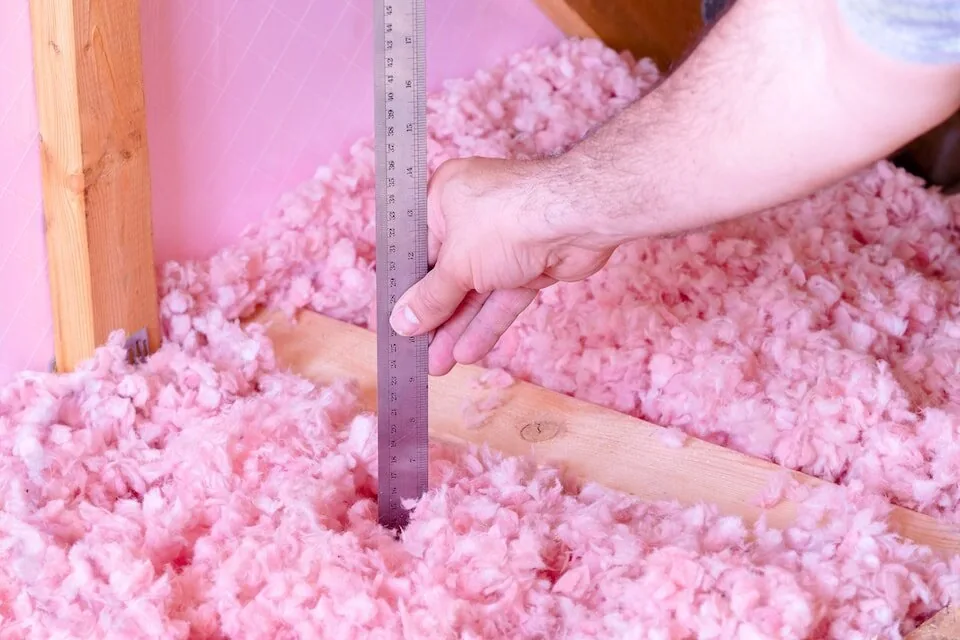 Blown-In InsulationBlown-in fiberglass and cellulose for attic floors and retrofit walls, installed to a measured depth at a lower cost than foam.Explore service →
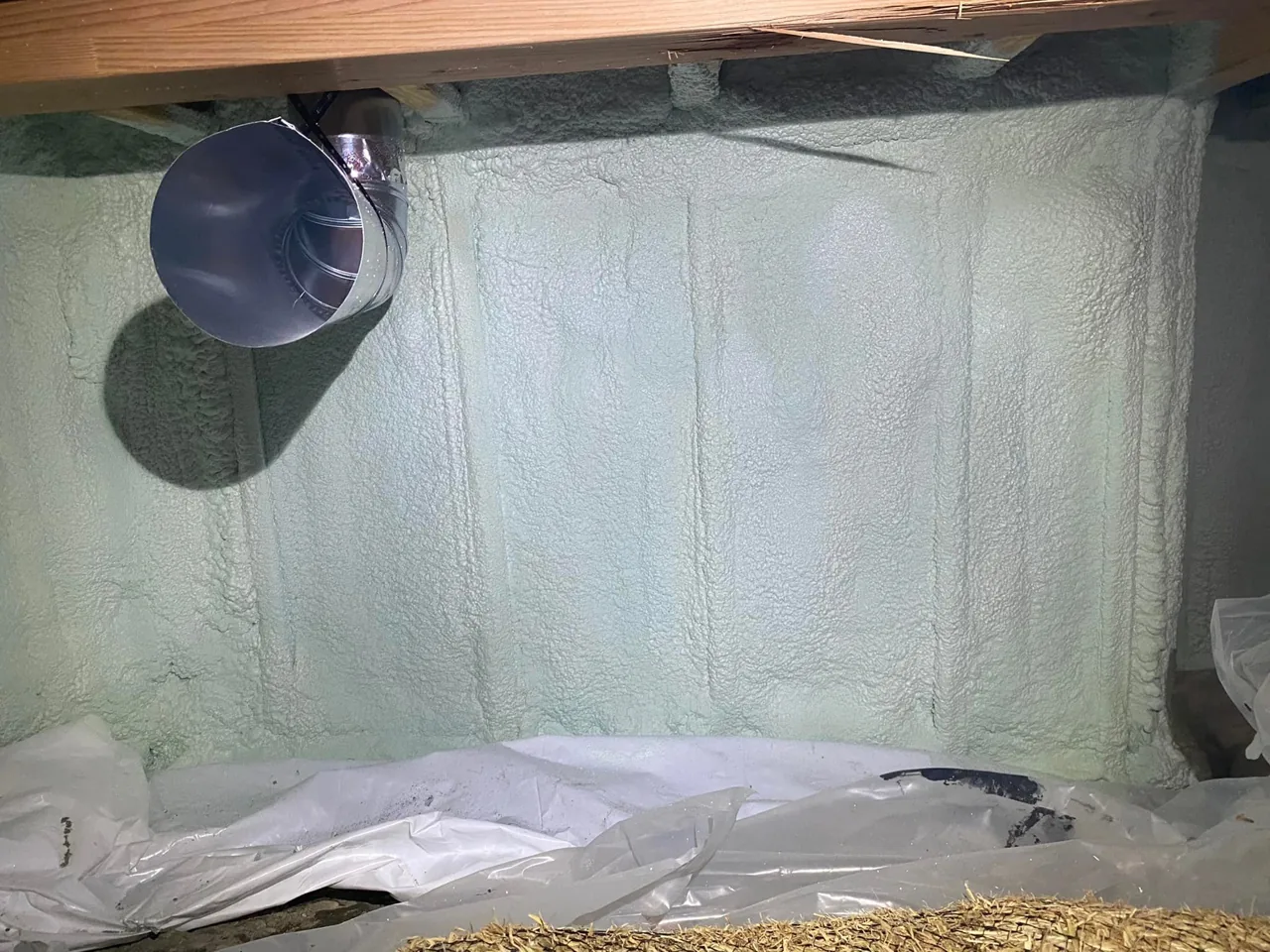 Crawl Space InsulationInsulation and air sealing for damp Arkansas crawl spaces, addressing ground moisture, condensation and cold floors.Explore service →